
03 · Our story
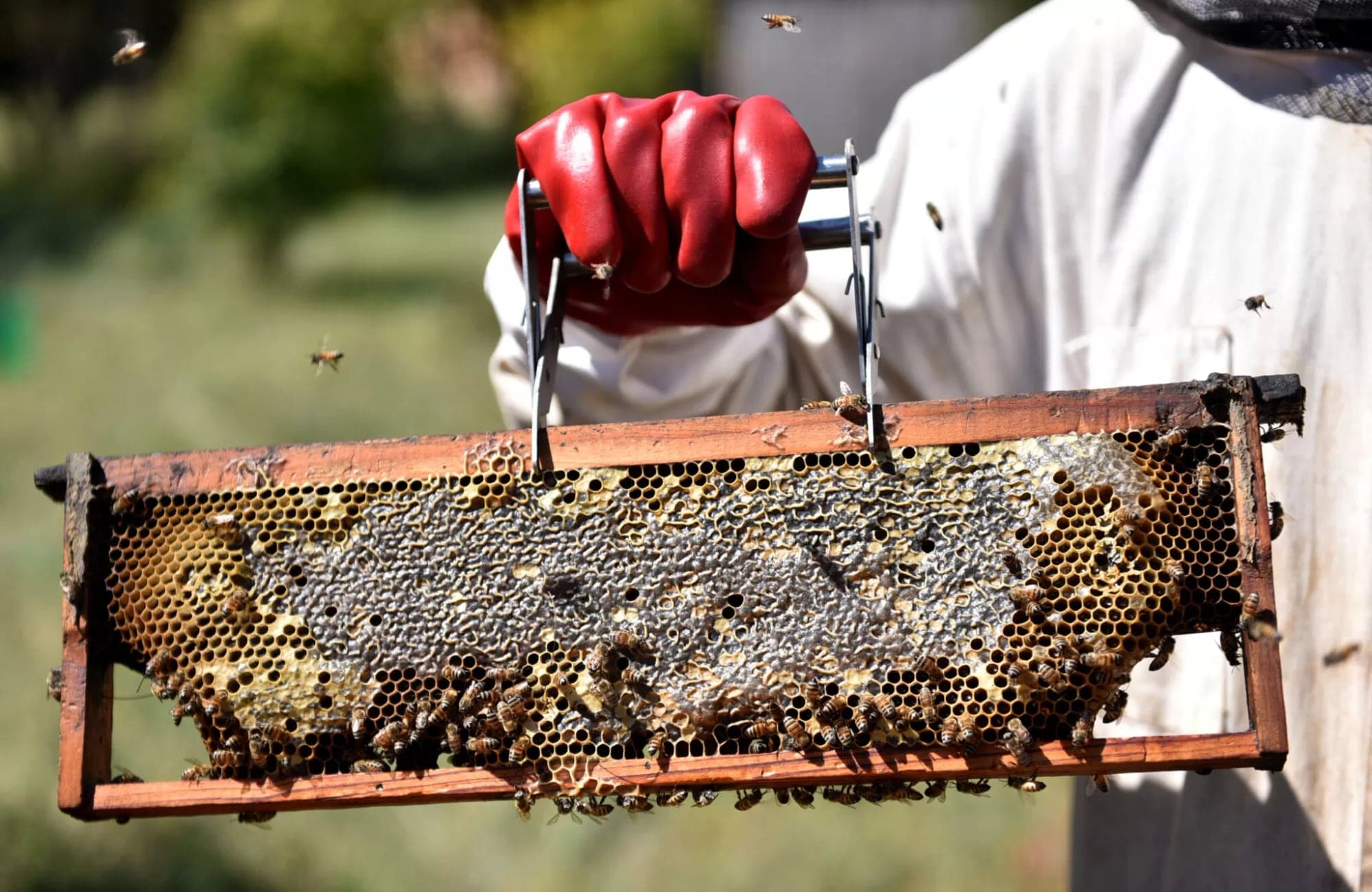
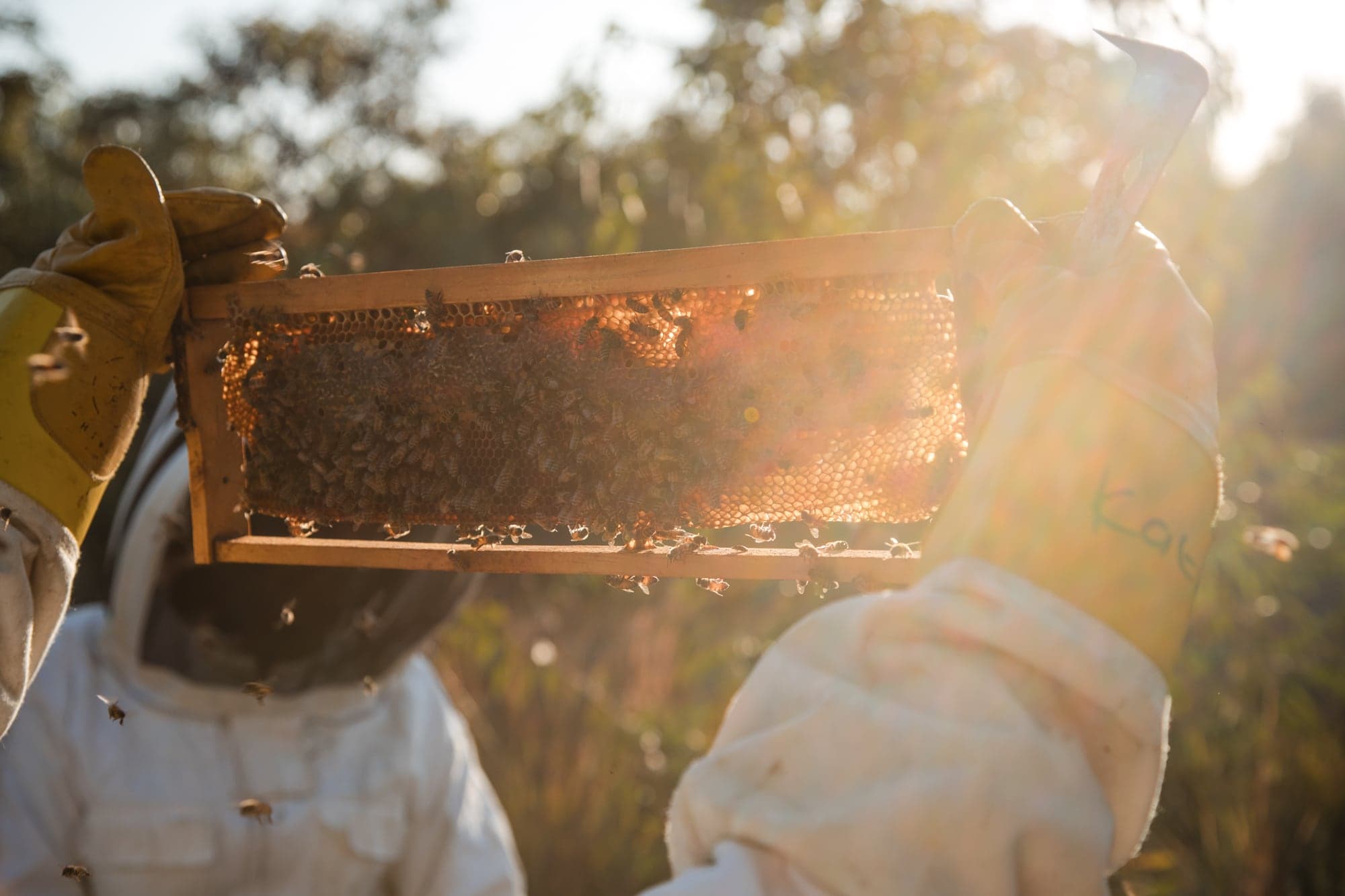
Opened up, frame by frame.
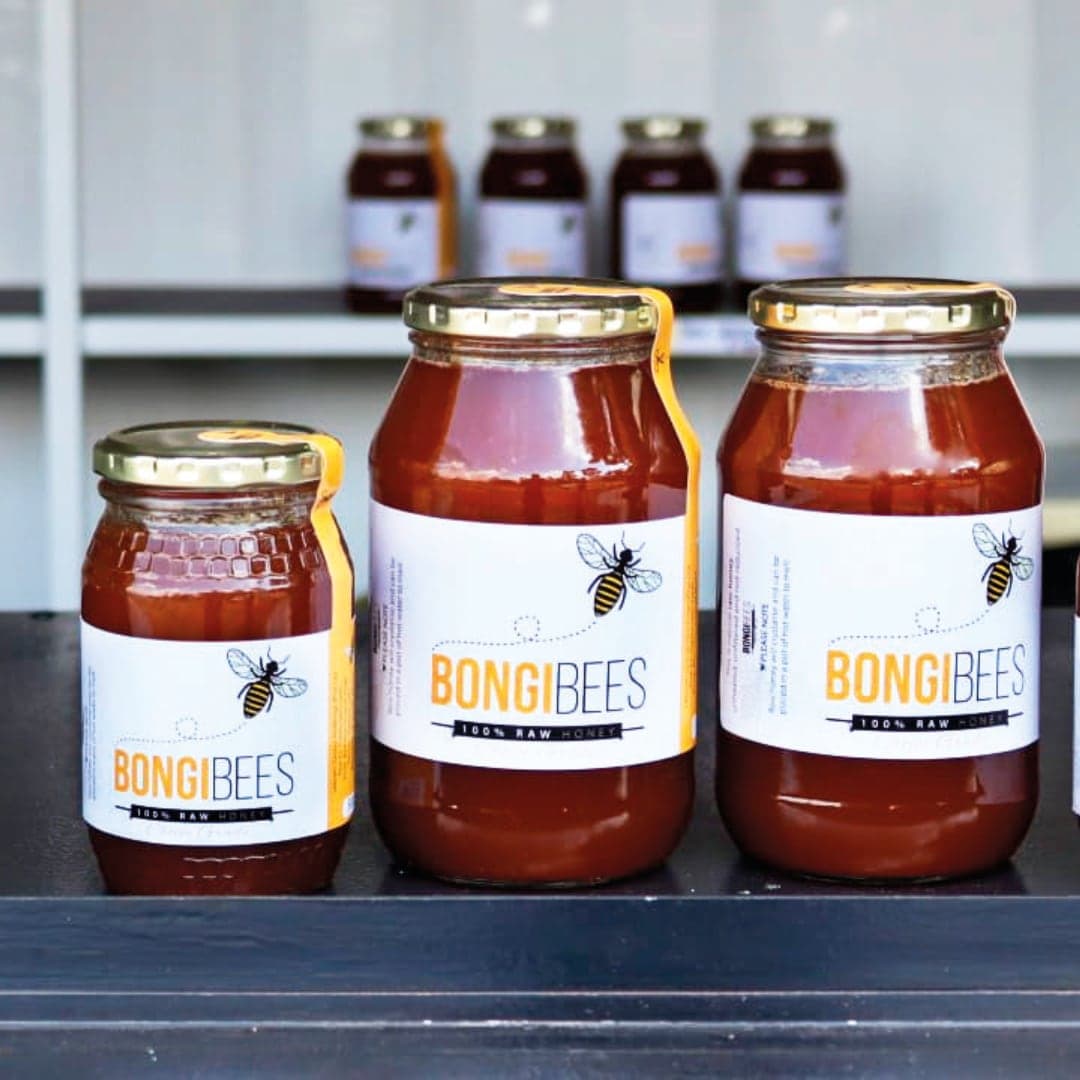
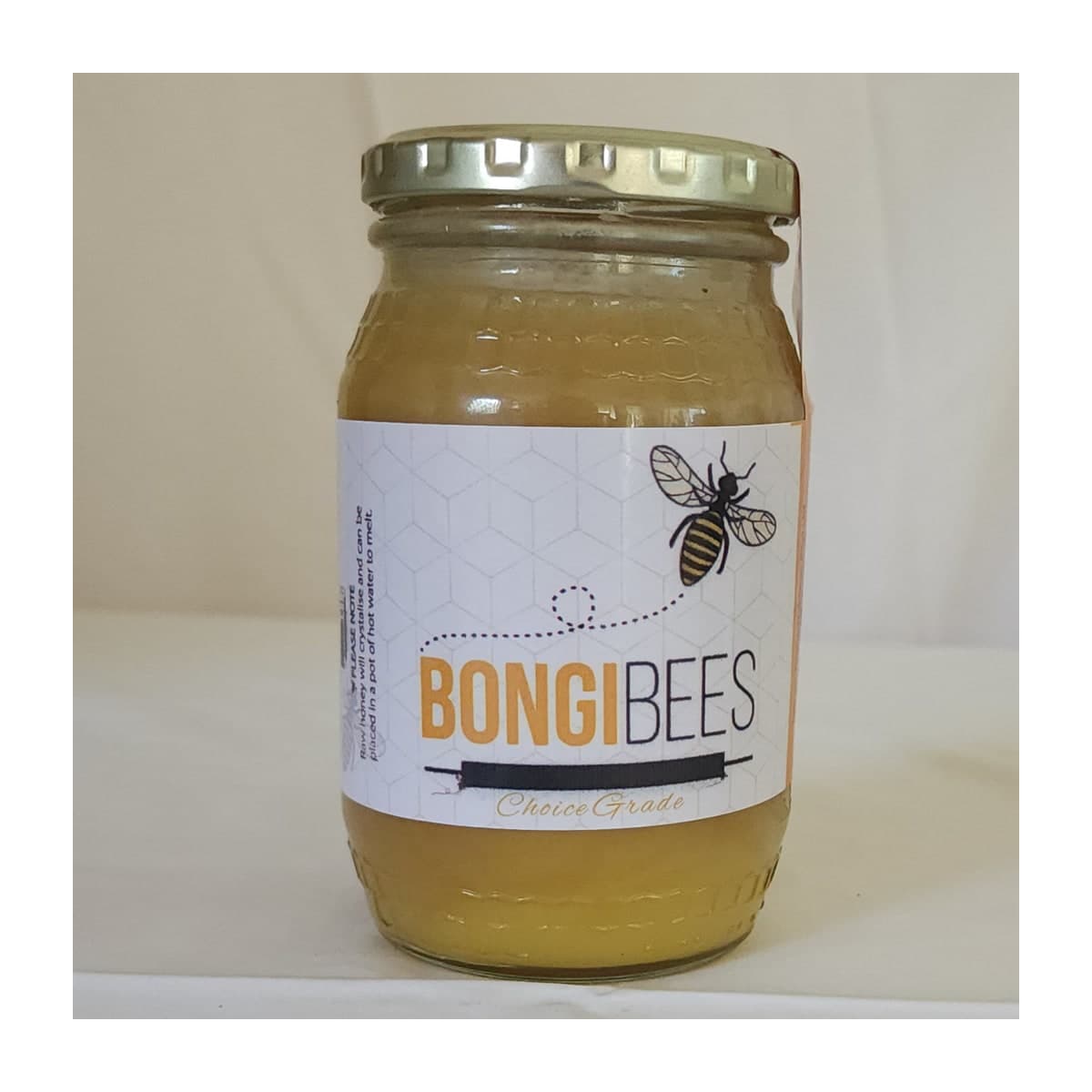
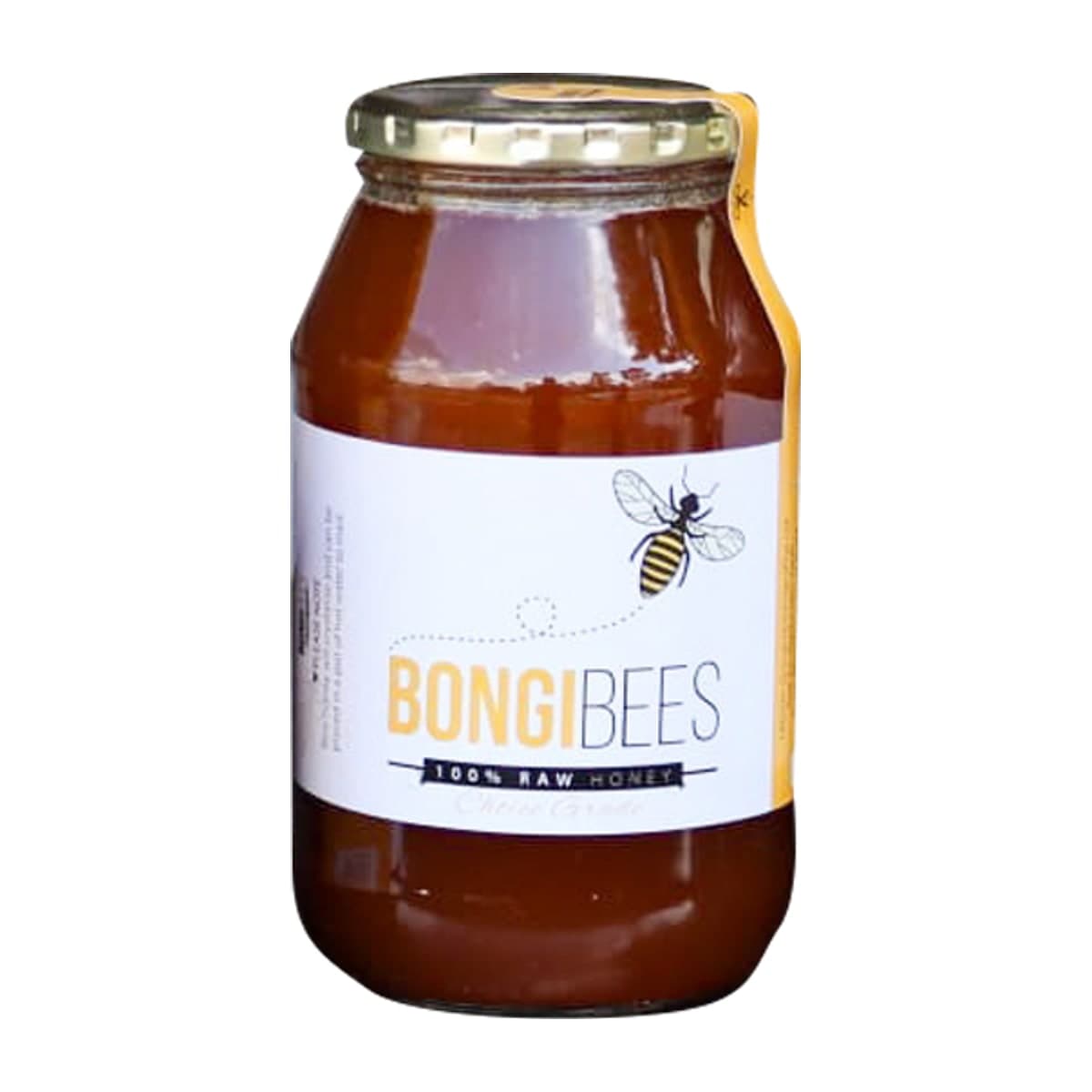
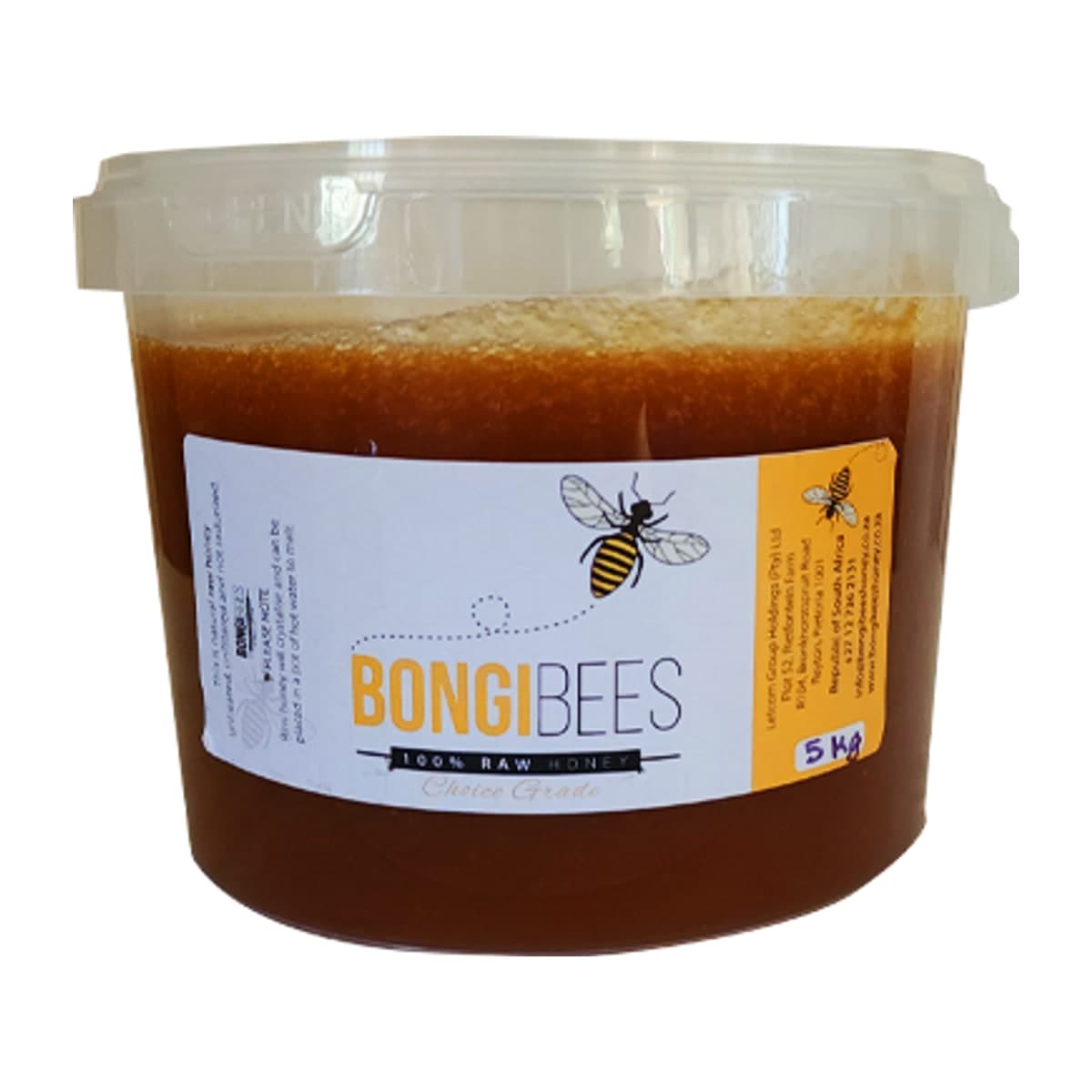
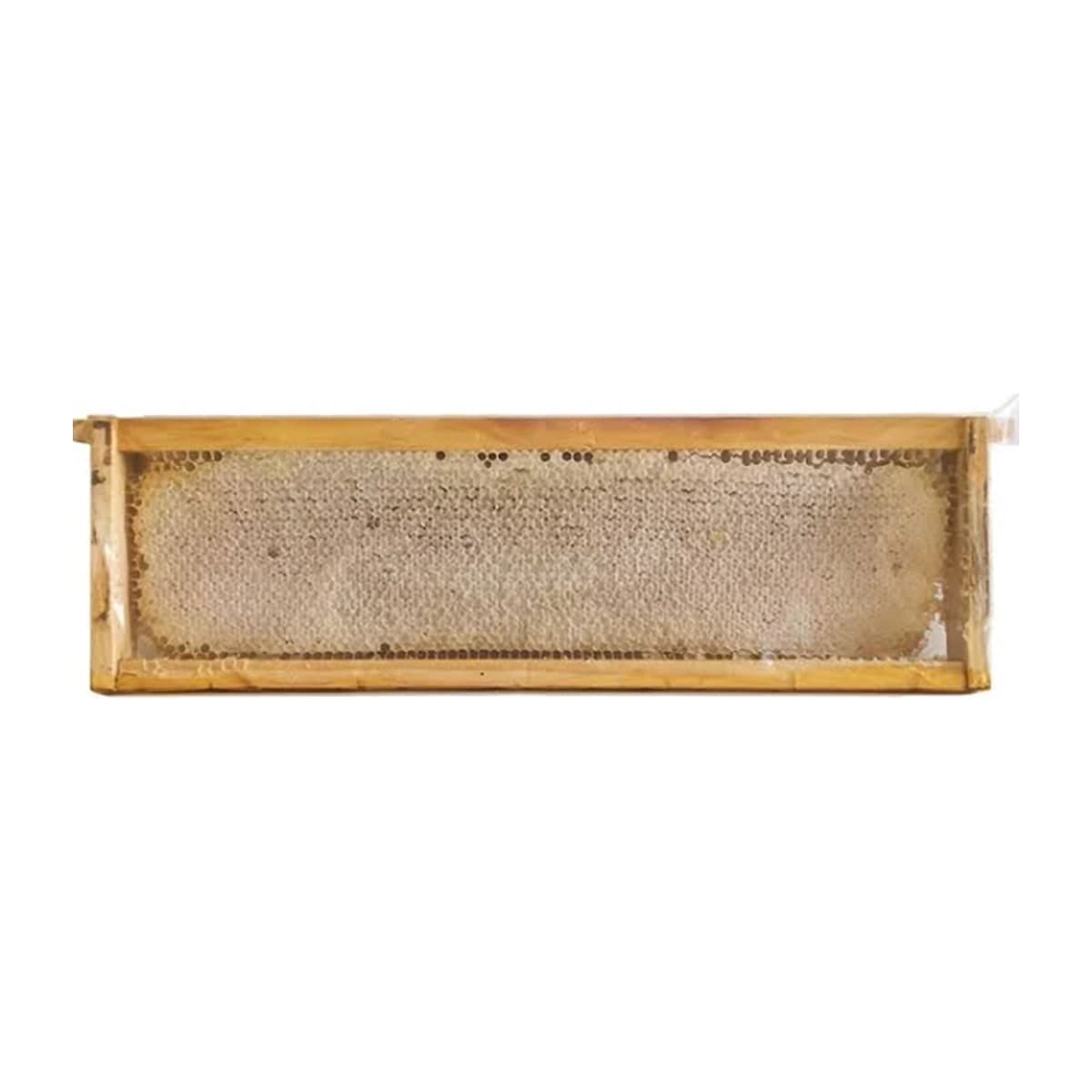
Bongi Bees is a celebration of the healing power of honey, and a Black women-owned beekeeping business based in Tshwane. Our farm stall in Rayton showcases our passion for the hardworking bees, and we view honey as the pathway to good health.
Frame 1
From boardroom to beehive
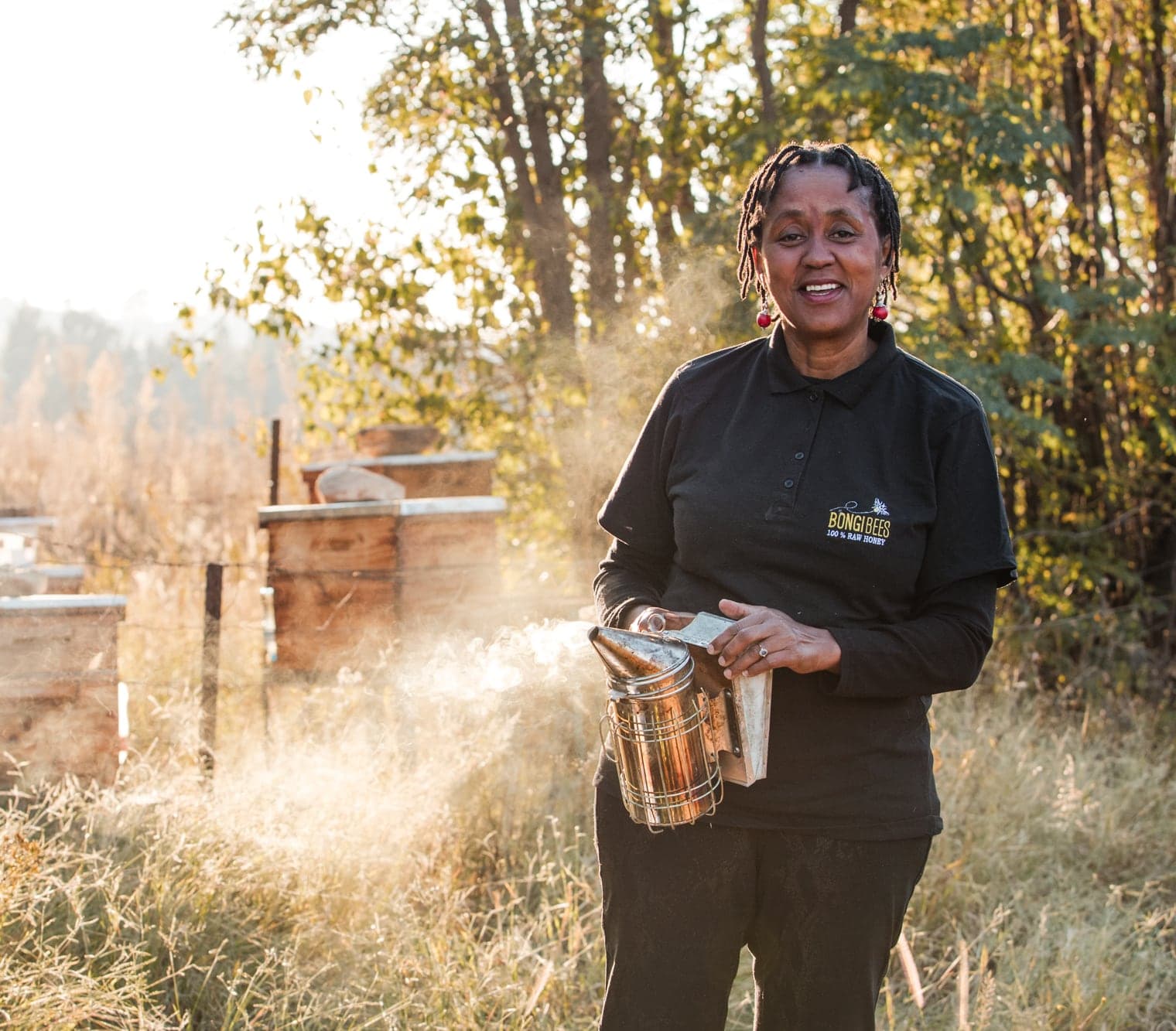
Before she wore a beekeeper's veil, Lulu Letlape was Vice President for Corporate Affairs at South32, after senior roles at Sanlam, Mercedes-Benz and Telkom. When an autoimmune disease, brought on mainly by stress, made her change her life, raw honey helped her find her way back to health. She spent 2016 studying beekeeping and learning from other beekeepers, and in 2017 she bought five hives and started Bongi Bees. Today we look after a hundred active hives.
Frame 2
What our bees forage
- Blue gum, the most common honey in South Africa, made when the bees visit eucalyptus trees in summer.
- Orchards of nuts, oranges and apples, early in the year: a pale to golden honey, sweet and never to be underestimated.
- Aloes, native to Africa, with red-orange and yellow flowers and reddish-pink pollen.
- Lavender, a premium honey: flowery, well rounded and delicately scented, with a sweetness that lasts.
Frame 3
Our commitment
- Kosher accredited (BUOSD.SA).
- Community Builders Award, SAB Foundation Social Innovation Awards.
- Registered beekeepers with the Department of Agriculture (CSD number MAAA1246009, registered beekeeper GP 437).
- Members of the Southern Beekeepers Association.
- Part of the Ubuntu BEE Collective, a community of rural women building a thriving beekeeping industry.
- Tested by FACTS (Food & Allergy Consulting & Testing Services): authentic, high-quality honey that complies with local honey regulations (R.835/2000).
Frame 4
The Ubuntu beekeeping programme
The Ubuntu beekeeping programme helps unemployed women from rural communities become honey producers, for jobs, food security and the environment. It is a programme of the JDC, run by Ripples for Change in partnership with Bongi Bees. We have trained women in Rayton in Gauteng and Ramokoka in North West, and helped them start their own businesses and cooperatives.