

03 · Below the surface
Life below the surface.
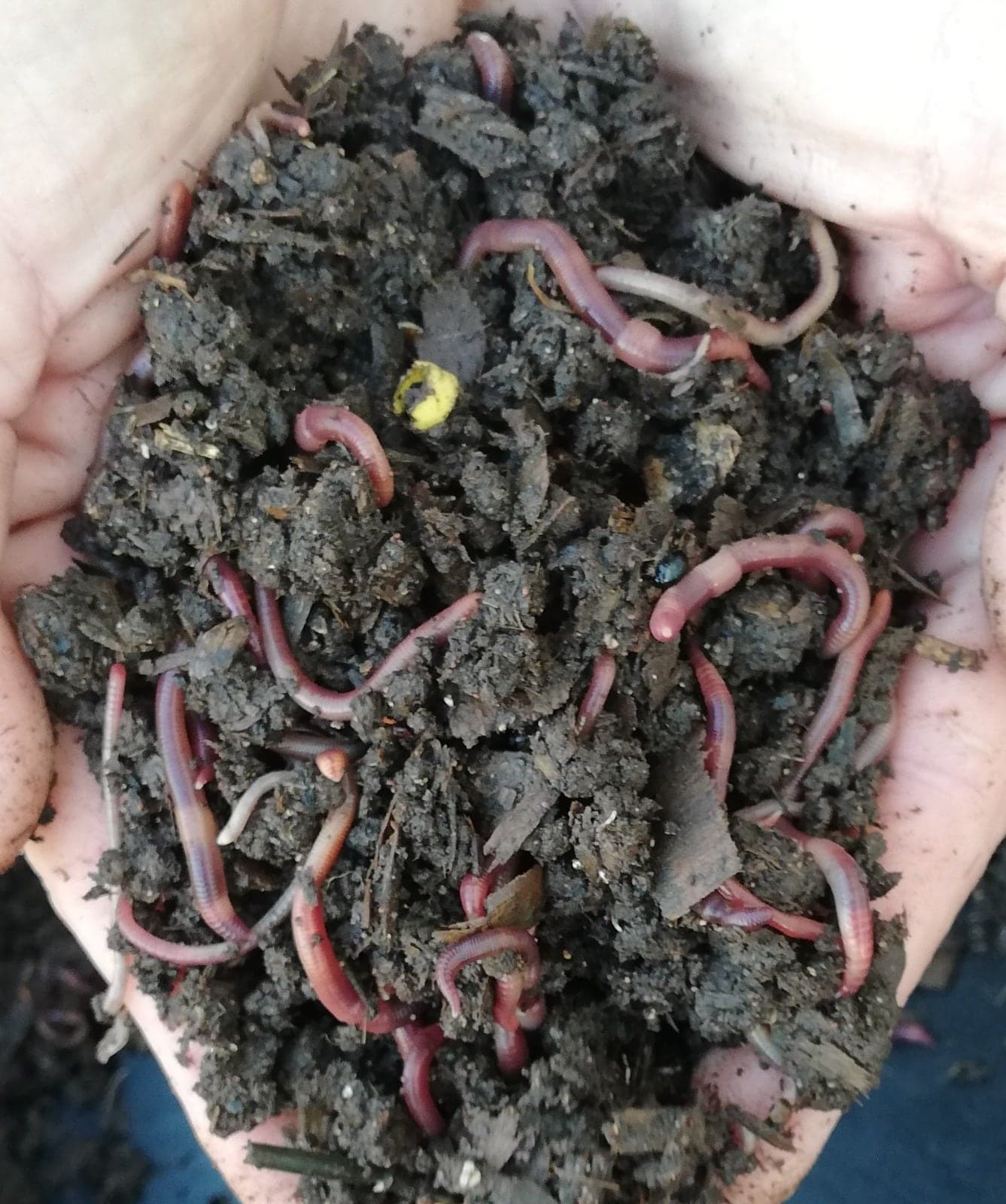
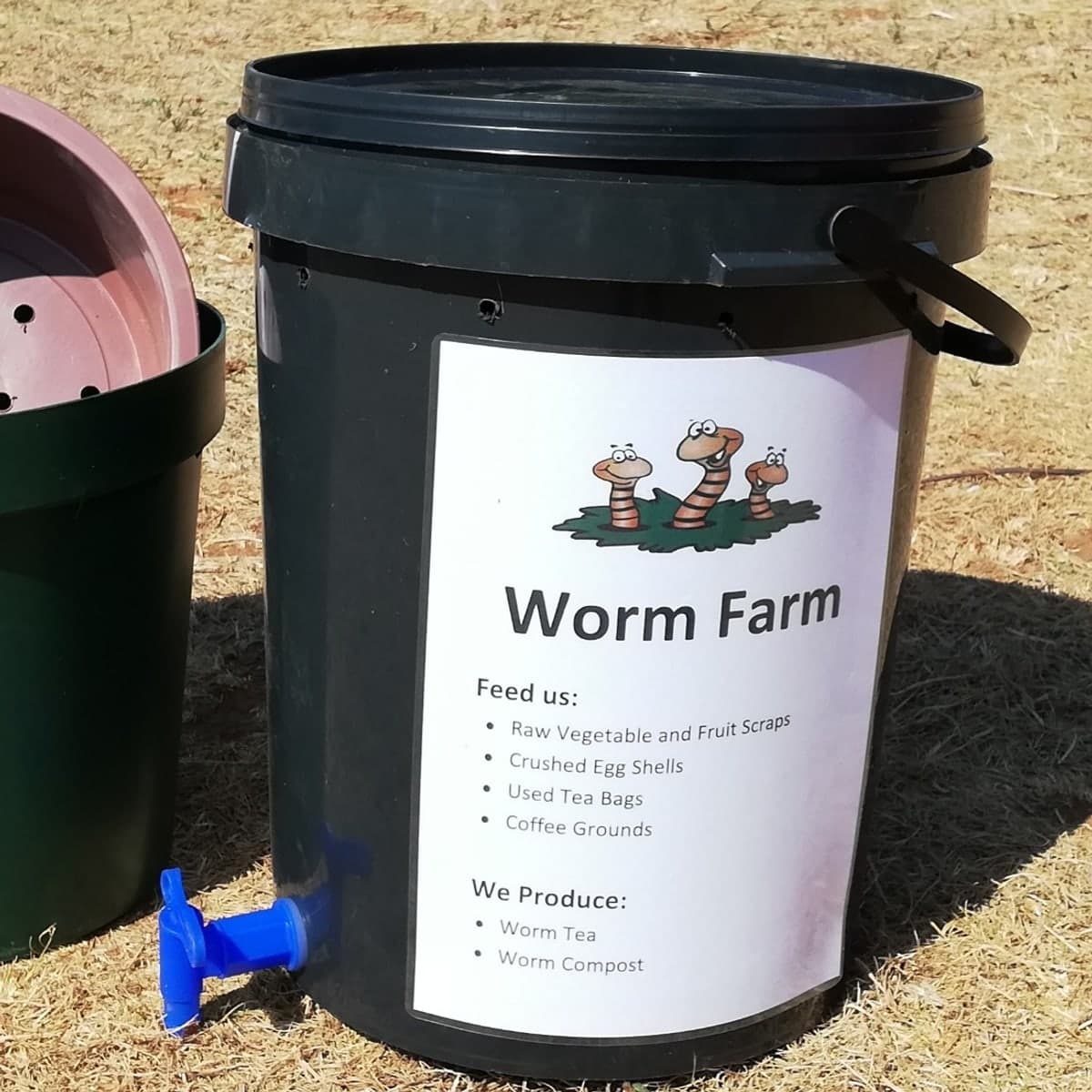
Our worms are red wigglers (Eisenia fetida), the earthworm used in worm farms and composting all over the world. They eat decaying plant material, kitchen scraps and garden waste and turn it into nutrient-rich vermicompost, and their burrows open the soil to air, water and roots.
- 1
Egg
Every red wiggler starts as a tiny, lemon-shaped egg about the size of a grain of rice, laid in moist organic matter such as compost or decaying leaves and protected inside a cocoon made by the adult worms.
- 2
Cocoon
Each cocoon holds 2 to 20 baby worms, depending on conditions and the age of the parent worm, and shields them while they develop.
- 3
Juvenile
The young worms hatch smaller and less developed than adults, and grow as they feed on the organic matter around them.
- 4
Adult
At about 2 to 3 months, depending on temperature and food, they are ready to breed. A grown red wiggler is 5 to 10 cm long, reddish-brown and segmented.
- 5
Reproduction
Every worm is both male and female, but it still takes two. They line up, exchange sperm, and each one forms a cocoon that is left in the soil to hatch. Then the cycle starts again, and in good conditions it starts again quickly.
- 6
Looking after them
Red wigglers like damp bedding such as shredded paper or coconut coir (damp, never waterlogged), fresh air, a balanced diet of organic waste and temperatures between 13 and 25 degrees. Keep an eye on the moisture and don't overfeed them.